What Is Structural Integration? Understanding How It Differs from Traditional Massage Therapy
Many people seek massage therapy to relax, relieve muscle tension, or reduce stress. While Structural Integration may involve hands-on bodywork performed by a Licensed Massage and Bodywork Therapist (LMBT), it is a distinctly different approach with a unique focus on improving posture, movement, and overall body alignment.
Structural Integration is designed to help the body function more efficiently by addressing patterns of tension and restriction within the connective tissue system. This therapy often leads to lasting improvements in comfort, mobility, and movement especially with chronic issues.
What Is Structural Integration?
Structural Integration is a form of therapeutic bodywork that focuses on the body’s fascia—the network of connective tissue that surrounds and supports muscles, bones, organs, and joints.
Over time, injury, repetitive movements, poor posture, stress, and daily habits can create restrictions within the fascial system. These restrictions may contribute to pain, limited mobility, muscular imbalances, and inefficient movement patterns.
Structural Integration aims to restore balance throughout the body by releasing these restrictions and helping the body align more effectively with gravity.
Rather than focusing solely on where symptoms occur, Structural Integration evaluates how the entire body works together as an interconnected system.
How Is Structural Integration Different from Massage Therapy?
Although Structural Integration is often performed by a Licensed Massage and Bodywork Therapist, its goals and techniques differ from traditional massage.
Traditional Massage Therapy Often Focuses On:
- Relaxation
- Stress reduction
- Temporary relief of muscle tension
- Improving circulation
- General wellness and self-care
Structural Integration Focuses On:
- Postural alignment
- Fascial restrictions
- Movement patterns
- Structural balance
- Long-term functional improvements
While massage therapy may address areas of discomfort directly, Structural Integration seeks to understand why those areas are under stress in the first place.
For example, shoulder pain may not originate in the shoulder itself. The underlying cause could be related to restrictions in the ribcage, pelvis, neck, or feet. Structural Integration looks at the body as a whole to identify and address these compensatory patterns.
What Is Fascia?
Fascia is a web-like connective tissue that surrounds every muscle, bone, nerve, blood vessel, and organ in the body.
Healthy fascia is flexible and allows the body to move freely. When fascia becomes restricted due to injury, repetitive stress, inflammation, or poor movement habits, it can create tension throughout the body.
Because fascia is interconnected, restrictions in one area may contribute to discomfort or dysfunction elsewhere.
Structural Integration focuses on improving the quality and mobility of the fascial system to support better overall movement and function.
What Happens During a Structural Integration Session?
Each session is tailored to the individual’s needs and goals.
A practitioner may begin by observing:
- Standing posture
- Walking patterns
- Movement habits
- Areas of tension or restriction
- Overall body alignment
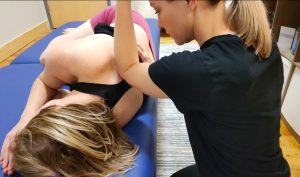
Treatment typically involves hands-on techniques that work directly with the fascial system. Pressure may range from gentle to deeper depending on the area being addressed and the client’s comfort level.
Clients may be guided through specific movements during treatment to help create lasting changes in tissue patterns and body awareness.
Unlike a traditional relaxation massage, sessions are often interactive and educational, helping clients better understand how their body moves and compensates.
Who Can Benefit from Structural Integration?
Structural Integration may benefit individuals experiencing:
- Chronic pain
- Neck and shoulder tension
- Low back discomfort
- Postural imbalances
- Restricted mobility
- Sports-related injuries
- Repetitive strain injuries
- Joint discomfort
- Movement limitations
- Chronic muscular tension
It is also commonly used by:
- Athletes
- Dancers
- Fitness enthusiasts
- Individuals recovering from injuries
- Anyone seeking improved movement and body awareness
Many people report feeling taller, more balanced, and more comfortable in their bodies following a series of sessions.
Can Structural Integration Improve Posture?
One of the primary goals of Structural Integration is improving structural balance and posture.
Rather than forcing the body into a specific position, the work helps release restrictions that may be pulling the body out of alignment.
As tension patterns are addressed, the body often finds a more natural and efficient posture with less effort.
Improved posture may contribute to:
- Reduced strain on joints
- Improved movement efficiency
- Better breathing mechanics
- Increased comfort during daily activities
- Enhanced athletic performance
Is Structural Integration Painful?
Experiences vary from person to person.
Some areas of restriction may feel tender or intense during treatment. However, other areas may feel a deep sense of relief. Communication between practitioner and client is an important part of the process to ensure treatment remains productive and comfortable.
Most clients describe the work as therapeutic rather than painful.
A Whole-Body Approach to Wellness
Structural Integration recognizes that the body functions as an interconnected system. By addressing patterns of tension and restriction throughout the fascial network, it aims to support improved movement, balance, posture, and overall well-being.
Rather than simply treating symptoms, Structural Integration helps uncover and address underlying structural patterns that may be contributing to discomfort or dysfunction.
For many individuals, it becomes an important part of a long-term strategy for maintaining mobility, reducing pain, and supporting healthy movement throughout life.
Finding Support for Your Wellness Journey
If you’re interested in improving posture, reducing chronic pain and tension, or moving more comfortably, Structural Integration may be worth exploring.
At Soul Wellness in Mooresville, NC, our community of wellness professionals is dedicated to helping individuals discover holistic approaches to health, healing, and optimal function.