When people think about massage therapy, they often picture working on tight shoulders, sore backs, or tense muscles. However, visceral manipulation focuses on the tissues and connective structures surrounding the organs inside the body!
Visceral manipulation is a specialized form of manual therapy that focuses on the mobility and movement of the internal organs and the connective tissues that surround and support them. This approach is based on the idea that restrictions in these tissues may influence comfort, movement, and the way different parts of the body interact.
Although visceral manipulation is less familiar than traditional massage, it has attracted interest among people seeking a more comprehensive approach to bodywork. Understanding what it involves, what a session feels like, and what research says about its potential benefits can help you decide whether it may be worth exploring.
What Is Visceral Manipulation?
The word visceral refers to the internal organs, including structures within the abdomen and pelvis. Visceral manipulation is a hands-on therapy that uses gentle, targeted pressure and movement to assess and work with the tissues surrounding these structures.
This technique is associated with French osteopath Jean-Pierre Barral, who developed a specific approach to evaluating the mobility of internal organs and their surrounding connective tissues.
In this approach, practitioners consider how the organs, fascia, ligaments, and other supporting tissues move in relation to one another and to the rest of the body. The goal is to address areas the practitioner perceives as having restricted mobility or tension.
Visceral manipulation differs from conventional massage because it focuses on the tissues around the internal organs rather than primarily targeting skeletal muscles. The techniques are generally gentle and may be incorporated into a broader massage therapy or manual therapy session.
It is important to understand that some of the underlying theories about organ mobility and its relationship to symptoms have limited scientific support. Visceral manipulation should not be considered a treatment for internal organ disease or a replacement for medical evaluation.
How Does Visceral Manipulation Work?
The organs in the body are supported by connective tissues, ligaments, and fascia that allow movement as we breathe, digest food, change positions, and go about daily activities.
Practitioners who use visceral manipulation believe that changes in the mobility of these tissues may contribute to discomfort or altered movement patterns elsewhere in the body. For example, they may explore how the tissues of the abdomen move with breathing or how areas of tension relate to posture and movement.
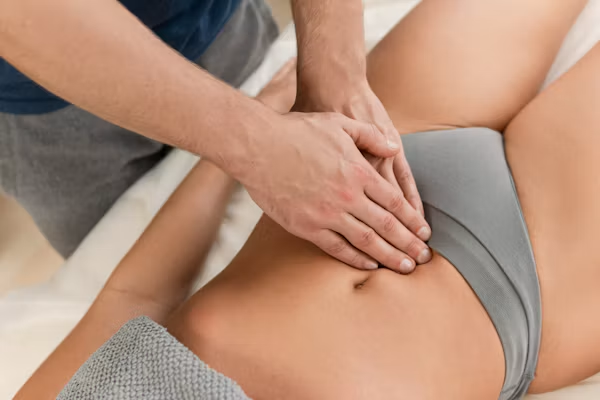
During treatment, a practitioner uses their hands to assess tissue movement and apply gentle, specific pressure to selected areas of the abdomen. The intention is to encourage comfortable movement between tissues and reduce perceived restrictions.
What Concerns Do People Explore Visceral Manipulation For?
People seek visceral manipulation for different reasons, often as part of a broader interest in bodywork and whole-person wellness.
Practitioners may incorporate the technique into care for people who report:
– Abdominal or pelvic tension: A feeling of tightness or restriction in the tissues around the abdomen or pelvis.
– Postural or movement discomfort: Areas of tension that seem to change with bending, twisting, stretching, or other movements.
– Scar-related tightness: Restrictions in the surrounding tissues following a healed surgical incision or other injury, when treatment is appropriate.
– Breathing-related tension: Interest in how the movement of the diaphragm and surrounding tissues relates to comfort during breathing.
– General musculoskeletal discomfort: A desire to explore whether this therapy may complement other approaches to managing tension and movement limitations especially where chronic pain is present.
These are areas in which practitioners may use or discuss visceral manipulation; they are not proof that the technique is effective for each concern. Evidence supporting specific benefits is limited, and symptoms involving the abdomen or pelvis can have many causes.
Persistent digestive symptoms, unexplained abdominal pain, changes in bowel habits, or pelvic symptoms should be evaluated by an appropriate healthcare professional rather than attributed to tissue restrictions alone.
What Happens During a Visceral Manipulation Session?
A session generally begins with a conversation about your health history, current concerns, previous injuries or surgeries, and goals for treatment. Your practitioner should also ask about symptoms that may require medical evaluation before bodywork is appropriate.
Depending on the practitioner and the services being provided, visceral manipulation is usually incorporated into a massage therapy session rather than offered as an entirely separate treatment.
The practitioner may use gentle pressure through the abdomen or other areas to assess tissue movement. Techniques may involve subtle movements, sustained contact, or light pressure intended to work with the tissues being addressed.
The experience is typically different from deep-tissue massage. The pressure may be quite light, and the practitioner should communicate with you throughout the session to ensure that you are comfortable.
You should not feel that you need to tolerate significant pain for a treatment to be effective. Tell your practitioner if you experience pain, nausea, dizziness, or any other concerning symptoms, and ask them to stop if you are uncomfortable.
The number of sessions needed varies, and there is no universally established treatment schedule. Your practitioner should discuss realistic expectations and how progress will be evaluated.
How Is Visceral Manipulation Different From Abdominal Massage?
Visceral manipulation and abdominal massage both involve hands-on contact with the abdominal area, but their approaches and intended focus can differ.
Abdominal massage generally involves massage techniques applied to the abdominal muscles and soft tissues. Depending on the method, it may be used for relaxation, comfort, or specific purposes such as supporting bowel regularity under appropriate guidance.
Visceral manipulation uses a specialized approach intended to assess and work with the mobility of internal organs and their surrounding connective tissues. The practitioner may use more localized, subtle movements rather than the broader strokes associated with massage.
Neither approach should be used to diagnose or treat an underlying internal medical condition. The appropriate technique depends on the person’s needs, medical history, and the practitioner’s training and scope of practice.
Is Visceral Manipulation Safe for Everyone?
Because visceral manipulation may involve contact with the abdomen and pelvis, it is important to consider your health history before receiving treatment.
It may be inappropriate or require medical clearance in certain circumstances, including unexplained or acute abdominal pain, suspected infection or inflammation, recent surgery, an unhealed injury, certain hernias, active bleeding, or some pregnancy-related conditions. Other medical conditions may also affect whether treatment is suitable.
Always tell your practitioner about relevant medical conditions, recent procedures, pregnancy, medications, and any new or unexplained symptoms.
Seek prompt medical care for severe or sudden abdominal pain, a rigid or markedly swollen abdomen, fever accompanied by significant abdominal symptoms, persistent vomiting, or other potentially urgent symptoms. These concerns should not be addressed through massage or manual therapy.
A qualified practitioner should explain the technique, its limitations, potential risks, and any reasons it may not be appropriate for you.
The Role of Gentle Bodywork in a Whole-Person Approach to Wellness
One of the reasons people explore different forms of massage and manual therapy is that physical comfort can be influenced by many factors, including movement habits, stress, previous injuries, recovery, and daily routines.
Visceral manipulation offers a different perspective on bodywork by focusing on the tissues surrounding the internal organs rather than concentrating exclusively on muscles and joints.
For some people, gentle manual therapy may be a relaxing addition to an individualized wellness routine. However, it is important to maintain realistic expectations: research has not established that visceral manipulation can correct organ dysfunction, resolve digestive disorders, or treat disease.
A thoughtful approach to wellness considers the whole person while recognizing when medical assessment or evidence-based treatment is needed. Visceral manipulation, when appropriate, may be one component of that broader approach.
Explore Visceral Manipulation at Soul Wellness
At Soul Wellness in Mooresville, NC, Kelly Mahoney of Dynamic Massage offers visceral manipulation as part of her massage therapy services.
If you are curious about this specialized approach to bodywork, Kelly can help you understand what a session involves and discuss whether it may be appropriate for your individual needs.
Whether you are exploring different massage techniques or looking for a more personalized approach to bodywork, learning about your options is a helpful first step.